
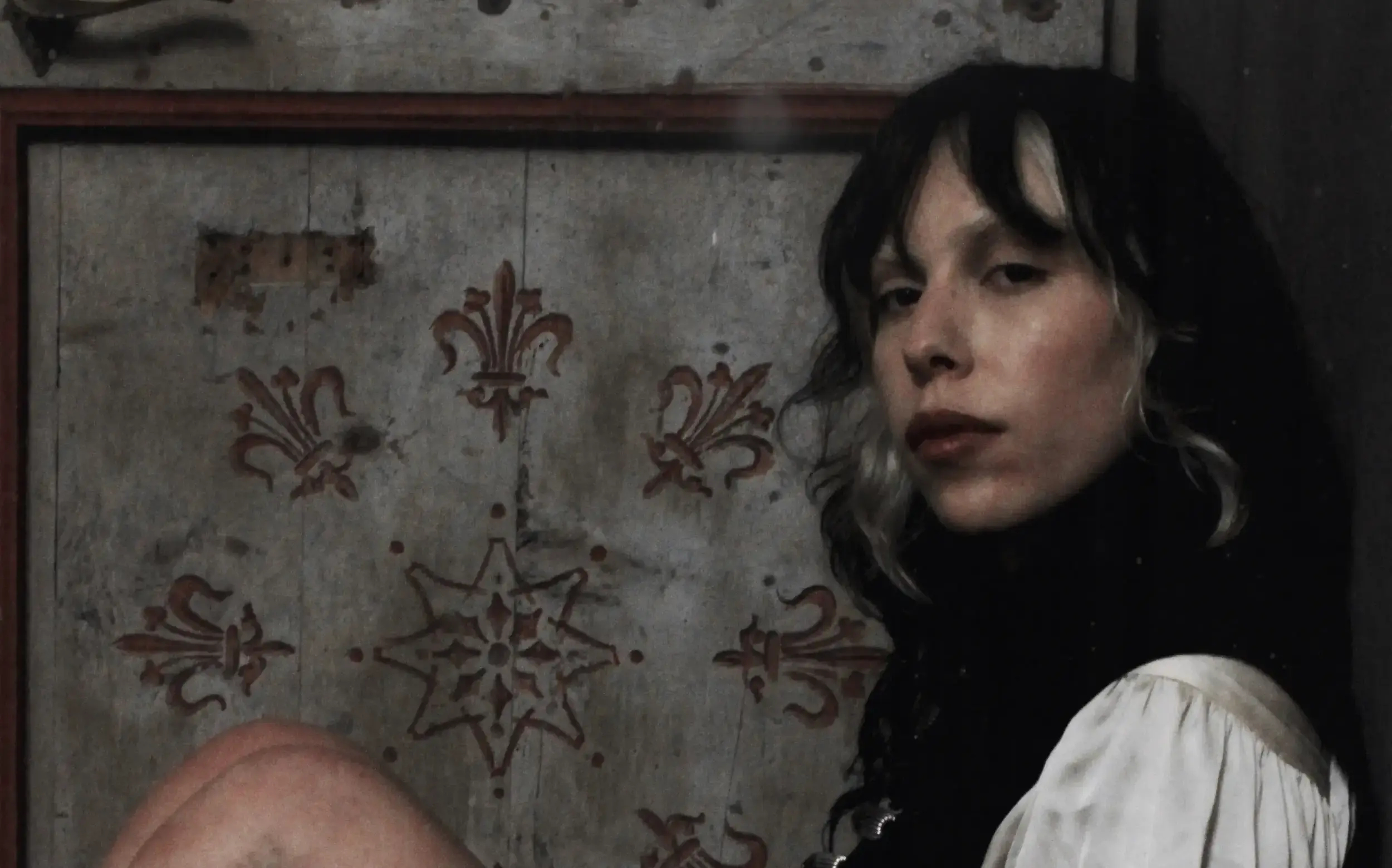
Lamante
The Hub - Parma
Saturday ,12 December
11.50 PM
Giorgia Pietribiasi wrote Una magia più forte della morte on the eve of opening for CCCP at the Flowers Festival in Collegno, and played it there for the first time, before it had even been recorded. The urgency was such that, the evening before pre-production, she tried to capture it at a friend’s house using her phone earphones. It was the song that started the writing of Non dico addio and, together with Un canto nuovo, opened the way for the rest of the album, released by Artist First on 7 May 2026 as the second record by Lamante, her music project.
Born in Schio in 1999, Pietribiasi began playing and writing at a very young age, and also expresses herself through photography and painting. At eight she was given a camera and a handheld recorder, and with the same tools she still documents spaces and people, along with the sounds of places. In June 2023 she released L’ultimo piano, which took her to the final of the 34th edition of Musicultura and earned her the Premio Nuovo IMAIE. The song marked the start of her work with producer Taketo Gohara. Come volevi essere, released that July, goes back to the first year of the pandemic, when she lost her home and her job and, having left university, moved back to the Veneto. In September 2023 she opened for Negramaro on three nights at the Arena di Verona.
Her debut, In memoria di, came out on 9 May 2024: eleven songs built on her origins and her memories. The album was among the finalists for the Targhe Tenco in the Opera Prima (debut album) category, and Rockit named it the best Italian album of the year. At the Rockol Awards Lamante received the special award for Best Emerging Artist, and in that same year she duetted with Levante on the new edition of Manuela Distruzione and with Paolo Benvegnù on Piccoli fragilissimi film. The video for Non chiamarmi bella, directed by Nicolò Bassetto, won the PIVI, the Italian independent music video award organised by MEI, followed in 2025 by three Videoclip Italia Awards, including Best Italian Music Video. After the album came out, Lamante put new releases on hold to concentrate on writing and live work: more than fifty dates, culminating in Coez choosing her as opening act for his entire arena tour.
In the wake of the first album, words were no longer enough. In their place came visions and symbols that kept returning in her dreams and in daily life, and Pietribiasi began making objects, turning her home into a kind of sanctuary. The first studio sessions in Milan failed to find a direction until Gohara recognised what held the songs together: a grief that had never truly been faced. Work started again from scratch. Lamante went back to the places of her childhood and found in the Church of San Francesco in Schio the space in which to record the album, surrounded by all the objects she had made over the previous two years, among them an ostrich egg and relics containing hair. The title track began as a possible answer to the question Han Kang asked in her Nobel lecture: can the dead save the living?
The first album featured wind instruments and electric guitar, with a much more rock-oriented sound; on Non dico addio the exploration turns to instruments such as the organ and harmonium, along with a full string section, which the artist associates with the mother and with fertility. The album opens in silence, perhaps the presence that kept her company the most during those two years, and in Un elenco di 11 cose the organ represents, for her, the bowels of the earth. In Governatevi the title’s imperative, ‘govern yourselves’, repeated eleven times, ends with an invitation to lay down arms. Una magia più forte della morte is the most stripped-back track, with just guitar, bass, drums and one voice. Rimani con me was the last song written: it came out all at once on the first day she laid her hands on the harmonium in the church.